


-

Add: HeBei ShengShi HongBang Cellulose Technology CO.,LTD.
-

Email
13180486930@163.com -

CONTACT US
+86 13180486930
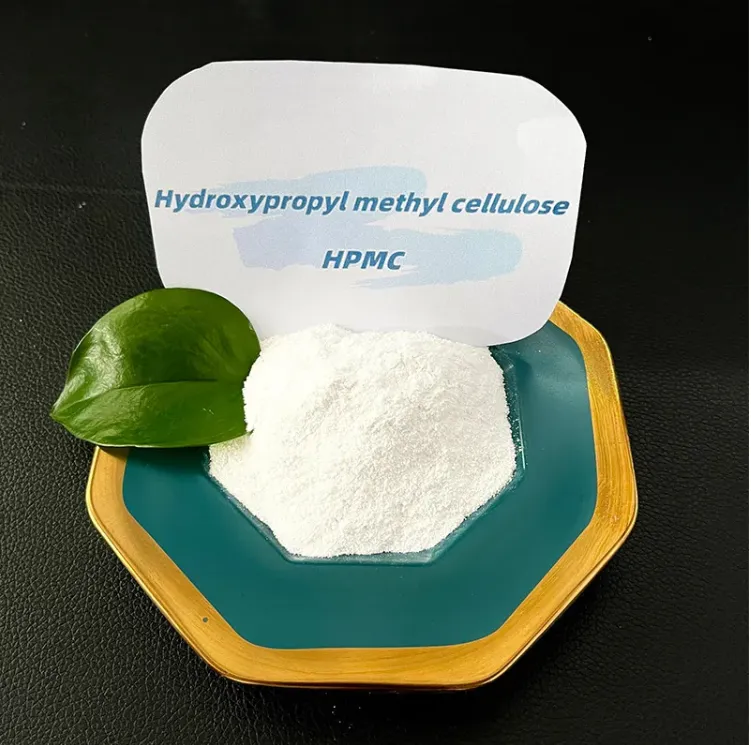


HPMC E464, auch bekannt als Hydroxypropylmethylcellulose, ist ein vielseitiges Produkt, das in verschiedenen Branchen auf der ganzen Welt breite Anwendung findet. Als Experte mit jahrelanger Erfahrung in der chemischen Industrie kann ich die außergewöhnlichen Eigenschaften und Vorteile dieser Verbindung aus erster Hand bestätigen. Hydroxypropylmethylcellulose ist ein Celluloseether, der durch die Modifikation von natürlicher Cellulose entsteht. Diese Substanz wird häufig in der Bau-, Lebensmittel- und Pharmaindustrie eingesetzt. Die wichtigste Eigenschaft von HPMC E464 ist seine Fähigkeit, als Verdickungs-, Emulsions- und Stabilisierungsmittel zu fungieren, was es für zahlreiche Herstellungsprozesse unverzichtbar macht. Ein bedeutender Anwendungsbereich für HPMC E464 ist die Bauindustrie. Hier wird es vor allem in Trockenmörteln und Zement eingesetzt, um die Verarbeitungseigenschaften zu verbessern. Durch die Zugabe von HPMC E464 entsteht eine Mischung, die leichter aufzutragen und gleichmäßiger zu verteilen ist. Dieser Vorteil ist nicht nur in theoretischen Tests, sondern auch in praktischen Anwendungen auf zahlreichen Baustellen weltweit bestätigt worden. Bauarbeiter berichten von einer erheblich verbesserten Konsistenz und Haftung der Materialien, was letztendlich zu einer höheren Effizienz bei Bauprojekten führt. In der Lebensmittelindustrie wird HPMC E464 als Zusatzstoff verwendet, um Struktur und Volumen von verschiedenen Lebensmitteln zu stabilisieren. Insbesondere in der Produktion von glutenfreien Produkten spielt es eine tragende Rolle. Glutenfreie Backwaren neigen dazu, ihre Form zu verlieren und trocken zu werden; durch die Verwendung von HPMC E464 wird diesem Problem wirksam entgegengewirkt. Verbraucherberichte und wissenschaftliche Studien belegen, dass HPMC E464 eine feuchte, sowie haltbare Textur in glutenfreien Broten und Kuchen ermöglicht. Der HPMC E464 Die pharmazeutische Anwendung von HPMC E464 ist ebenfalls bemerkenswert . Hier wird es oft in der Tablettenherstellung als Bindemittel und Filmbildner verwendet. Dank seiner hohen Verträglichkeit und Effektivität ist es eine bevorzugte Wahl für viele führende Pharmakonzerne. Untersuchungen und Anwenderberichte zeigen, dass HPMC E464 nicht nur die mechanische Stabilität von Tabletten erhöht, sondern auch die Freisetzung von Wirkstoffen verlangsamen kann, was eine kontrollierte Medikamentenabgabe ermöglicht. Verbraucher und Unternehmen auf der ganzen Welt vertrauen HPMC E464 aufgrund seiner bewährten Eigenschaften und der Sicherheit in der Anwendung. Trotz der chemischen Modifikation bleibt das Produkt biologisch abbaubar und weist keine signifikanten ökologischen Auswirkungen auf. Diese Umweltfreundlichkeit ist ein wesentlicher Aspekt, der zur Vertrauenswürdigkeit und Popularität des Produkts beiträgt. Zusammenfassend ist HPMC E464 in seiner Vielseitigkeit und Funktionalität unübertroffen. Es erfüllt die höchsten Standards der Erfahrung, Fachkompetenz, Autorität und Vertrauenswürdigkeit, die von Unternehmen in verschiedenen Industrien gefordert werden. Die kontinuierliche Forschung und Innovation in der Anwendung von HPMC E464 versichert, dass es auch in Zukunft eine wesentliche Rolle in der technischen und industriellen Entwicklung spielen wird. Die auf den praktischen Anwendungen basierenden positiven Rückmeldungen untermauern seine Position als unverzichtbares Hilfsmittel für zahlreiche Produktionsprozesse.
- 40000tons

Production
- 20+years

Experience
- 5000+㎡

Acreage

-
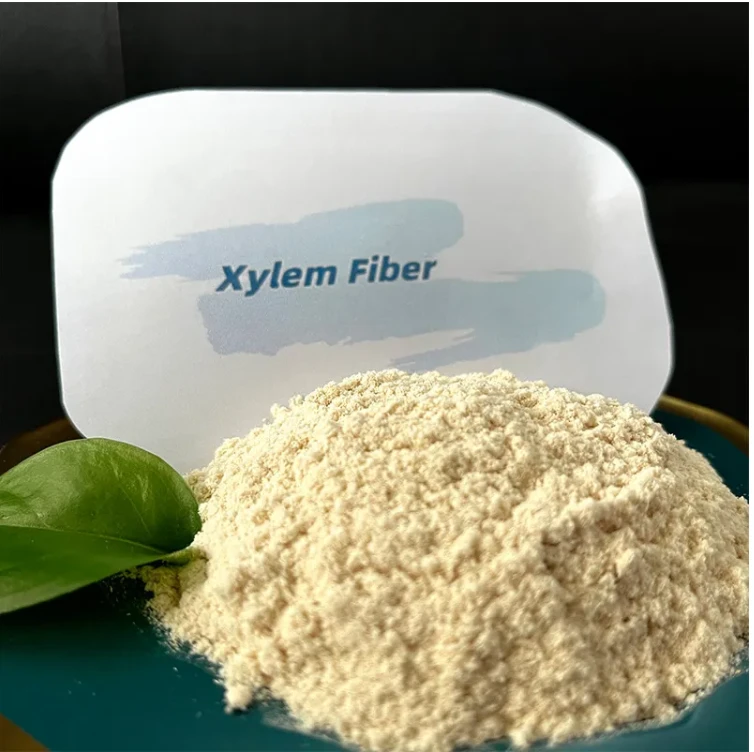
In a world focused on sustainability, wood cellulose is emerging as a top choice for eco-friendly building materials and insulation solutions. Derived from the fiber found in wood, wood cellulose offers exceptional thermal and sound insulation properties while being a renewable and biodegradable resource. Whether you are looking to build or retrofit your home, wood cellulose provides an environmentally responsible option that helps you reduce your carbon footprint and enjoy long-term comfort. What is Wood Cellulose? Understanding This Eco-Friendly Material What is wood cellulose exactly? It is a natural polymer found in the cell walls of plants, primarily in wood. Wood cellulose is made up of long chains of glucose molecules, which provide strength and rigidity to plants. This versatile material can be processed and used for a variety of applications, including as an effective insulation material. It’s biodegradable, recyclable, and an ideal choice for those who prioritize sustainability in their construction and insulation projects. Wood Cellulose Insulation: A Smart Choice for Your Home When it comes to insulation, wood cellulose insulation stands out as a highly effective and environmentally friendly option. Made from recycled wood fibers, wood cellulose insulation provides excellent thermal performance by trapping air and minimizing heat loss. It also offers superior soundproofing properties, making it a great choice for homes and buildings in noisy environments. Unlike traditional insulation materials, wood cellulose insulation is treated to be fire-retardant and resistant to pests, ensuring durability and safety for years to come. It’s time to make your home more energy-efficient with the natural power of wood cellulose insulation . Difference Between Sawdust and Wood Cellulose: Key Features You Need to Know While both sawdust and wood cellulose come from wood, there are significant differences between the two. Sawdust is a byproduct of cutting or grinding wood and is often used in manufacturing or as animal bedding. On the other hand, wood cellulose is the fibrous material extracted from the wood itself and is used for more specific applications such as insulation. The key difference between sawdust and wood cellulose is that wood cellulose is processed to remove impurities and can be treated for fire resistance and enhanced durability, making it a far superior material for insulation purposes. Choose wood cellulose for a greener, safer, and more efficient solution than sawdust. Why Choose Wood Cellulose for Your Next Building Project? If you’re looking to make your home or office more energy-efficient and eco-friendly, wood cellulose is the perfect solution. Whether you’re installing wood cellulose insulation in your attic, walls, or floors, or using wood cellulose in other applications, you can count on its excellent performance. With its sustainable nature, durability, and impressive insulating properties, wood cellulose is the future of green building materials. It’s time to embrace the natural benefits of wood cellulose and enjoy a more comfortable, energy-efficient, and environmentally responsible space. Wood Cellulose FAQs What is wood cellulose and how is it made? Wood cellulose is a natural fiber derived from the cell walls of trees and plants. It is made by processing wood to extract the cellulose fibers, which are then used in various applications such as insulation or paper production. The process involves removing the lignin and other non-cellulose components from the wood, leaving behind the strong, fibrous cellulose that provides structure and rigidity. What is wood cellulose insulation and why is it better than traditional insulation? Wood cellulose insulation is a sustainable insulation material made from recycled wood fibers. It offers superior thermal performance and excellent soundproofing capabilities, making it ideal for homes and commercial buildings. Unlike traditional fiberglass insulation, wood cellulose insulation is made from natural, renewable resources and is treated to resist fire, pests, and mold, making it a safer and more durable option. What is the difference between sawdust and wood cellulose? The main difference between sawdust and wood cellulose lies in their composition and use. Sawdustis a fine powdery byproduct created when wood is cut or sawed, often used in manufacturing or as bedding material. In contrast, wood cellulose is extracted directly from the wood fibers and is processed for specialized applications, particularly as insulation. Wood cellulose is more refined, treated for durability, and better suited for high-performance uses like insulation. How does wood cellulose insulation help with energy efficiency? Wood cellulose insulation is known for its superior thermal resistance, meaning it effectively prevents heat from escaping during the winter and keeps your home cool during the summer. By trapping air and reducing the flow of heat, it helps maintain a stable indoor temperature and reduces the need for heating or cooling, leading to lower energy bills and improved energy efficiency in your home or building. Can wood cellulose be used in all types of buildings? Yes, wood cellulose can be used in almost any type of building, from residential homes to commercial properties. It is ideal for a wide range of construction projects, particularly in those focused on sustainability and energy efficiency. Whether you're building new structures or retrofitting older homes, wood cellulose insulation is a versatile and eco-friendly option that works in walls, attics, floors, and more.
-
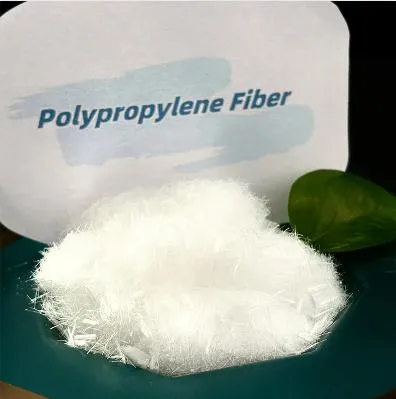
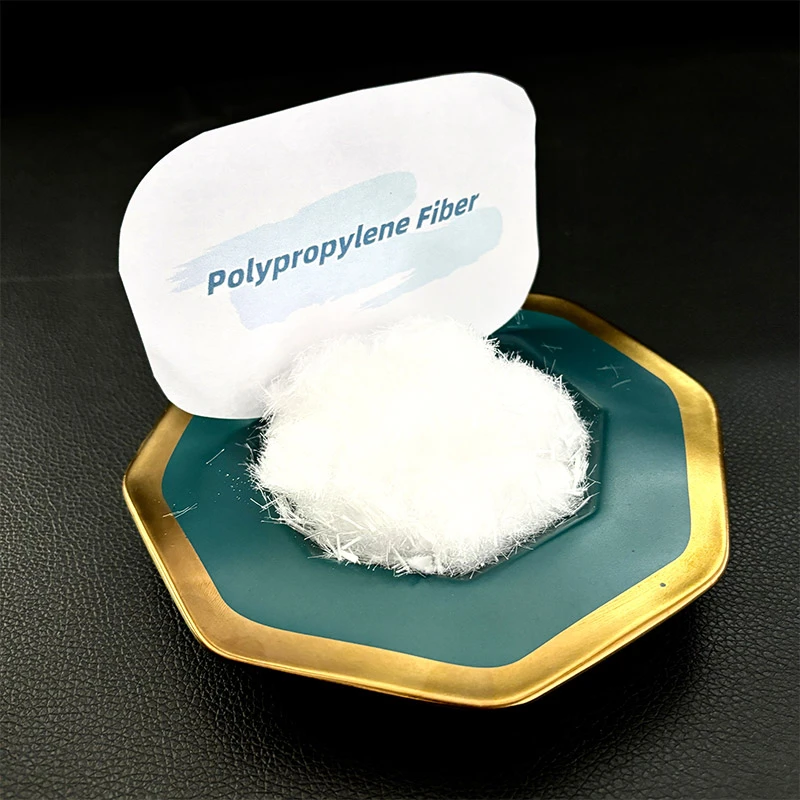
In the dynamic world of construction and infrastructure, material performance is the foundation of long-term durability. Among various reinforcement materials available in the market, polypropylene fiber for sale has emerged as a preferred solution for enhancing the tensile strength, cracking resistance, and overall resilience of cementitious materials. Whether in industrial floors, precast structures, shotcrete, or overlays, polypropylene fiber offers unmatched performance at a reasonable cost. The widespread use of polypropylene fiber for sale is due to its high chemical resistance, low density, and excellent dispersibility in concrete and mortar systems. Unlike steel fibers, polypropylene fibers are non-corrosive, lightweight, and much easier to transport and mix. As a result, they are an ideal alternative for both temporary and permanent structural applications where long-term crack control and durability are essential. Contractors, civil engineers, and builders around the globe are now turning to polypropylene fiber for sale not only for its technical benefits but also for its economic viability. From residential projects to large-scale infrastructure development, this material meets the growing demand for sustainable and long-lasting construction techniques. What Makes Polypropylene Fiber Essential for Modern Construction? Polypropylene fiber is a synthetic monofilament or fibrillated material made from 100% polypropylene, known for its exceptional strength-to-weight ratio. As a secondary reinforcement, it plays a crucial role in reducing plastic shrinkage cracking, increasing impact resistance, and improving the abrasion performance of concrete structures. Its hydrophobic nature ensures excellent moisture resistance, making polypropylene fiber an ideal additive for environments exposed to varying levels of humidity or water penetration. Once mixed with concrete, the fiber forms a three-dimensional matrix that helps distribute stress throughout the composite, significantly reducing microcrack propagation and surface degradation. One of the key advantages of polypropylene fiber is its versatility. It is widely used in tunnels, dams, bridges, pavements, shotcrete applications, and even decorative concrete surfaces. In addition to structural benefits, it also improves fire resistance by minimizing explosive spalling under high temperatures, making it valuable in fireproofing solutions. Unlike steel fibers that may corrode or clump together, polypropylene fiber is chemically inert and has excellent compatibility with other admixtures, including retarders, accelerators, and plasticizers. This compatibility ensures predictable behavior across a wide range of environmental conditions and mix designs. How Polypropylene Fiber Manufacturers Ensure Consistent Quality and Performance Selecting the right supplier is critical to achieving optimal results. Leading polypropylene fiber manufacturers implement advanced production techniques to ensure fiber uniformity, length control, and performance consistency. These manufacturers focus on producing fibers with controlled aspect ratios, tensile strengths exceeding 400 MPa, and elongation properties suitable for high-performance concrete applications. Reputable polypropylene fiber manufacturers follow rigorous quality control protocols, adhering to international standards such as ASTM C1116, EN 14889, and ISO certifications. These standards ensure that each fiber batch delivers the intended performance benefits when added to the final product. Manufacturers today are not just suppliers—they are solution providers. Many offer technical assistance to clients, helping them optimize mix designs, determine appropriate dosage levels, and conduct on-site training. Some advanced manufacturers even offer customized fiber grades tailored for specific applications, such as shotcrete or high-strength concrete overlays. Sustainability is another key focus of modern polypropylene fiber manufacturers . Many suppliers use recycled polypropylene in their production lines, aligning with global efforts to reduce construction waste and carbon emissions. As environmental concerns continue to shape industry practices, these manufacturers play a vital role in delivering both performance and responsibility. Analyzing Polypropylene Fibre Cost in a Competitive Market Understanding the dynamics behind polypropylene fibre cost is essential for procurement teams and project managers seeking the best value without compromising on quality. The cost of polypropylene fiber is influenced by several factors, including raw material prices (especially crude oil derivatives), production technology, fiber type (monofilament, fibrillated, or embossed), and packaging. On average, polypropylene fibre cost ranges between $2.00 to $4.00 per kilogram, depending on the performance grade and order volume. Premium grades with higher tensile strength, heat resistance, or specific dimensional properties may fall at the upper end of this spectrum. However, even at the higher price points, the cost-effectiveness of the material is apparent when factoring in reduced cracking, lower maintenance needs, and extended service life of the concrete. It is important to consider that polypropylene fibre cost is not merely a function of price per kilogram. The actual cost-effectiveness must be evaluated based on the fiber’s performance in the application. For instance, a slightly more expensive fiber with better dispersibility might reduce the required dosage, leading to overall savings on the material and labor fronts. Many polypropylene fiber manufacturers offer sliding-scale pricing models for bulk orders, annual contracts, or long-term supply partnerships. This flexibility allows buyers to control costs while maintaining consistency in supply and product quality. Additionally, purchasing from integrated manufacturers who manage the entire value chain—from raw material processing to final packaging—can often result in better pricing stability and reduced procurement risks. Where to Find Reliable Polypropylene Fiber for Sale Today As the global construction market continues to grow, the demand for polypropylene fiber for sale remains robust. Buyers looking for dependable sources should focus on manufacturers and suppliers with a proven track record of performance, international certifications, and a clear understanding of application-specific needs. Many reputable polypropylene fiber manufacturers have established strong distribution networks worldwide, ensuring timely delivery and local technical support. These suppliers often offer a range of fiber types, including macro synthetic fibers for structural reinforcement and microfibers for shrinkage control, giving customers the flexibility to choose the most appropriate solution. In addition to quality, logistics and after-sales support are key differentiators. Top-tier suppliers offer sample testing, customized packaging options, and prompt assistance for any technical issues that may arise during product integration. Some also provide digital platforms that allow clients to track shipments, download technical data sheets, and access training materials, streamlining the procurement and application processes. Today’s market offers a wealth of opportunities to source polypropylene fiber for sale at competitive rates. However, buyers should look beyond price and focus on long-term performance, quality assurance, and the reputation of the supplier. Doing so ensures consistent concrete performance and maximized return on investment over the lifecycle of the construction project. Polypropylene fiber FAQs What are the main benefits of using polypropylene fiber in concrete? Polypropylene fiber improves the tensile strength, crack resistance, and durability of concrete. It forms a three-dimensional network within the mix, minimizing plastic shrinkage and surface cracking. Additionally, it enhances impact resistance, freeze-thaw performance, and reduces permeability, all contributing to longer service life in challenging environments. How does polypropylene fibre cost compare with steel fiber reinforcement? Polypropylene fibre cost is generally lower than steel fibers when considering material cost alone. However, the real advantage lies in its lightweight nature, non-corrosive properties, and ease of handling, which reduce transportation and labor costs. In many applications, polypropylene fibers provide similar performance at a fraction of the total installed cost. What dosage of polypropylene fiber is recommended for concrete reinforcement? Dosage depends on the fiber type and application. For microfibers used for shrinkage control, the typical dosage ranges from 0.6 to 1.2 kg per cubic meter. For structural macro fibers, dosages can range from 3 to 6 kg per cubic meter. It’s important to follow supplier recommendations and conduct performance testing to determine the optimal amount. Can polypropylene fiber be used in shotcrete applications? Yes, polypropylene fiber is commonly used in shotcrete, especially in tunneling, mining, and slope stabilization projects. It improves cohesion, reduces rebound loss, and enhances surface finish. Additionally, its non-metallic nature makes it suitable for applications requiring corrosion resistance and long-term durability. Are all polypropylene fiber manufacturers the same in terms of quality and service? No, the quality and reliability of polypropylene fiber manufacturers can vary significantly. Reputable suppliers adhere to international standards, offer comprehensive technical support, and maintain strict quality control during production. When sourcing fiber, it's essential to evaluate the supplier’s track record, certifications, and willingness to provide performance data or samples for evaluation.
advantages
-

200000 Viscosities
Excellent product
We can produce pure products up to 200,000 viscosities
-

40000 tons
High yield
We don’t stop production all year round, and the annual output can reach 40,000 tons
-

24 hours
Quality service
We provide 24-hours online reception service, welcome to consult at any time
———— Inquiry Form
Schedule A services
-
 apa_itu_selulosa_yang_terbuat_dari_kayu
Oct . 25, 2025
Hydroxypropyl methylcellulose (HPMC) has been a prominent player in the world of construction and ph -
 cellulose_and_lignin_in_wood
Oct . 25, 2025
In the ever-evolving landscape of sustainable manufacturing, high-performance environment-friendly r -
 hes_hydroxyethyl_starch
Oct . 25, 2025
The construction industry is constantly evolving, with innovations aimed at enhancing the durability


